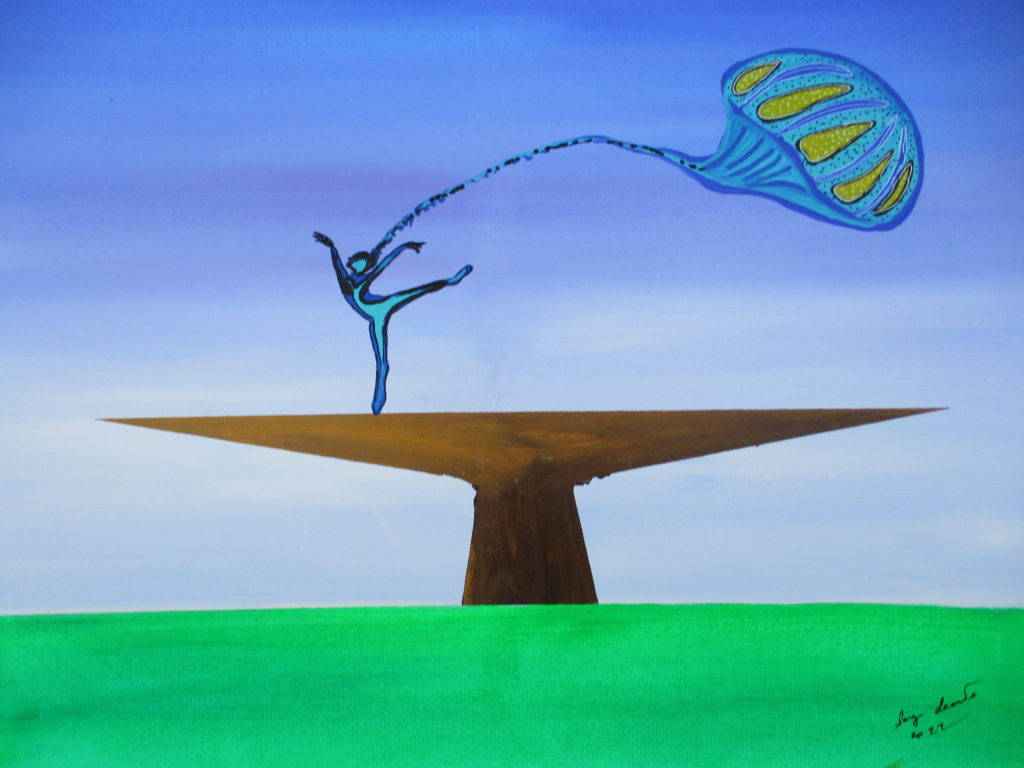
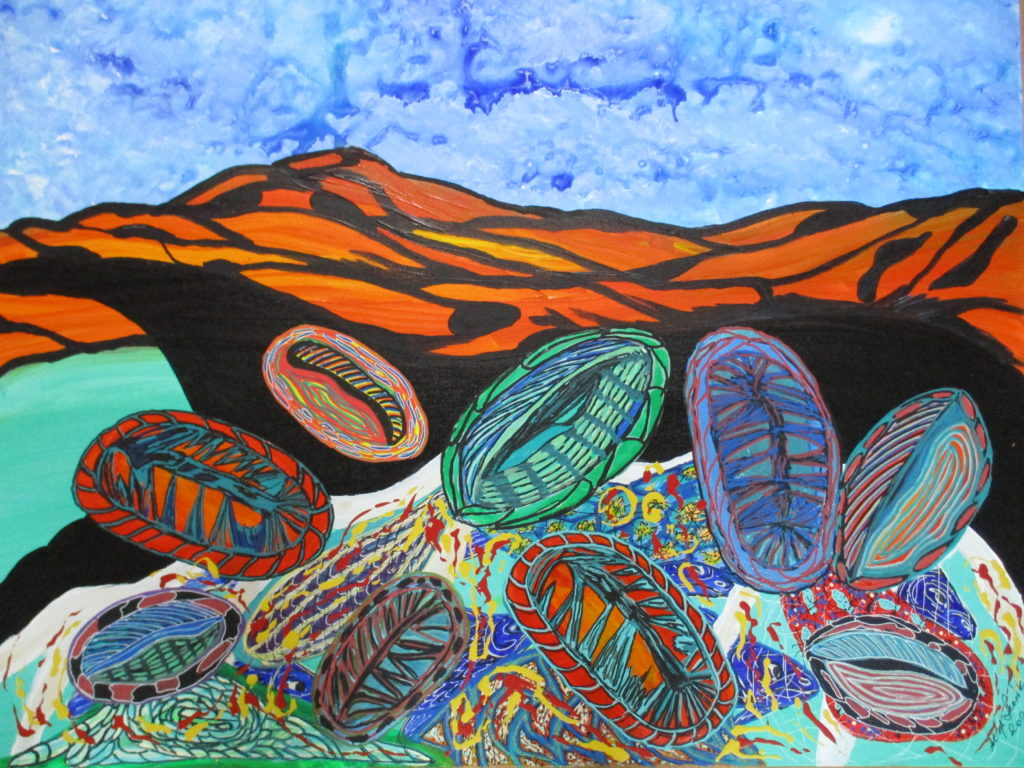
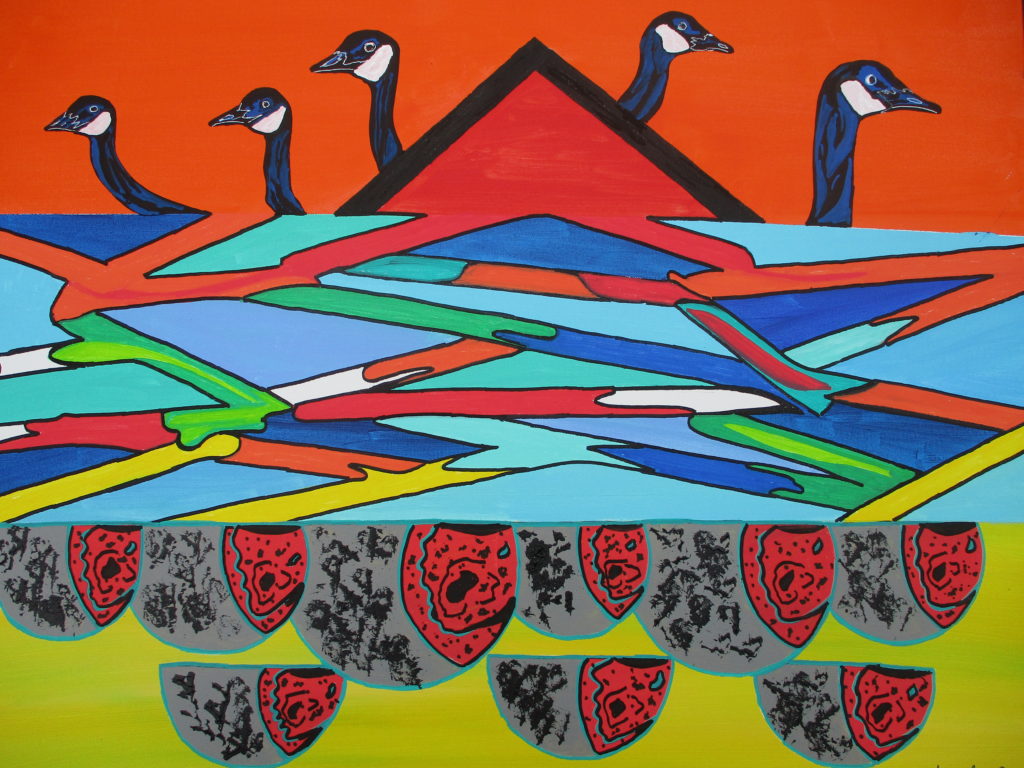
2. Scores of flying scissors cutting the air above the rooftops and cathedral
3. She is so much younger
4. They leave (hidden behind the column her friend had been only an audio and purse). We stay and take their place (watching, sipping our beers, crunching our snacks)
5. The burning fish is dying a slow death behind the cathedral. A last gasp of orange and black has taken the scissors and the fish. Only the cathedral remains, drinking imperfectly (perfectly) from the absent moon
Asian massage spas: Four reasons to check them out
Anonymity. You will leave who you were on the pavement once inside the spa. You will be greeted by someone you never knew and will never know. “Hello Lady,” a woman will say. She will point to the menu. “What you want?” she will ask. An implicit agreement exists, namelessness and disregard. Some masseuses are taller than others, some are fatter, some are shorter, some are thinner, but they are all the same to clients, just like we are to them. My generic, pasty white body is indistinct from every other body that walks through the door.
Amy > Yelp review > Asian Massage Spa
Ugh! It was a new girl, and I tried to ask for the old girl, and they just pushed me into the room.… ...continue reading
The door snaps open and a woman steps into the café. Cold air rushes in as she stands in the doorway. She looks about thirty. She is attractive, freckled, fresh. She wears a mid-length calfskin coat, with a black flannel scarf around her neck. She pauses for a moment. Her cheeks are flushed from the cold, her eyes bright. She looks vigorous, nervy, alive.
She is my wife.
As she closes the door behind her, she tilts her head forward, her hair rolling over her shoulders. She catches it in her hands, then straightens. A barrette is in her mouth. She pulls her hair back and slips on the barrette to make a ponytail. She smiles to herself, then moves with confidence to an empty table.… ...continue reading
We are all happier in many ways when we are old than when we are young. The young sow wild oats. The old grow sage. —Winston Churchill
When I’m in other peoples’ homes, I’m automatically drawn to their bookshelves. Books reveal a good deal about a person. Shelves full of Dean Koontz, Tom Clancy, James Patterson, and John Grisham logically suggest that their owners enjoy action, intrigue, murders, car bombings, and the challenge of solving crimes. We read for entertainment, information, and enlightenment. We read to learn what we need to learn about ourselves and our world.
Who has not wandered over to their own bookshelves and run their fingers across the spines, looking for just the right one—perhaps a volume remembered to hold epiphanies, comfort, lessons on the importance of forgiveness or the components of happiness?… ...continue reading
Bill Campbell eased his eighty-year-old bones into the Victorian wingback chair just as someone began knocking on his front door. His favorite tobacco pipe rested just outside his reach on a side table. It was pledge drive month on Minnesota Public Radio–no pipe, no Beethoven, it would require an act of God’s divine mercy to hoist himself out of the chair and reverse the deviations to his morning liturgy. He patted the side pocket of his Harris Tweed, hoping to find a stowaway pipe, but it was empty.
All week construction crews had been jackhammering across the street at the state hospital. His windows rattled from the concussion and the noise jarred his serenity. According to the newspaper, the hospital planned to move the patients closest to the construction site to another wing of the facility because of the noise.… ...continue reading
The stars are so thick (in rivers and ways) they bend down to trouble your sleep. Coyotes pick off the chickens one by one. Trees but not many: utility poles but not many (and shorter than you know): instead of grass, rusting random bits of Americana no larger than a junkyard poodle
*
Listen carefully or not at all. The streets tell a history as thin as the pavement: Saddle Sore Trail, Last Dollar Trail, Gunslinger Trail
Yes, the S-2, running somewhat north and south, reminds you that the stagecoach went by – and the RV park (Stagecoach Trails) confirms it. Yes again, Ginny, if you want to feel like Mark Twain saw the same desert views you’re viewing. No harm, I suppose, but I’m pretty sure he took the northern route
*
The morning I left for the coast the yellow eye of the sun quickly burned a hole through the silver gelatin of fog.… ...continue reading