It was Yom Kippur. The four of us donned formal wear. Mom was anxious & had to double-check the locks, making us late. Dad yelled, cursing the heavens. Our annual ritual— fasting, & then rushing out to Wendy’s at 4 o’clock to break.
How can someone atone for a sin they cannot name?
Among the crowded, ticketed, gussied-up masses, we filed into pray, to atone for our sins. I was 11, obediently taking in the words of teshuva:
For transgressions against God, the Day of Atonement atones; but for transgressions of one human being against another, the Day of Atonement does not atone until they have made peace with one another.… ...continue reading
Jillian Reese is sipping a venti Starbucks Green Tea Frappuccino on a bench in the Men’s Department of Nordstrom’s. So far, for the occasion of her fiancé’s return from a three-year deployment in Afghanistan, she hasn’t garnered the energy she needs to begin searching for something special to wear on the day she welcomes him home. Her plan is to continue sitting and sipping until inspiration strikes.
Jillian practically grew up inside this store trailing behind her mother’s shoes. Brown snow boots with black fur trim in wintertime. Pastel, strappy sandals in the hot weather. When she was a child, department store mannequins looked different. Then, they looked like real people. Male mannequins in pleated shorts and short-sleeved golf shirts with muscled arms hanging relaxed by their thighs.… ...continue reading
In the hotel hallway, an old lover started to knock on my room’s door while my boyfriend writhed in bed, suffering from what may have been my mother’s deliberate attempt at poison. The soft but echoing tap overlapped with the former’s voice.
“Laura. You there?”
“Juan,” I said quietly, “Please. You must go.” I had pressed my face against the door, ear squeezed against it to speak as soft as I could. We were on the third of five floors, and in an awful spot where guests could gather. How my parents managed to get ahold of Juan in such a short time was beyond me.
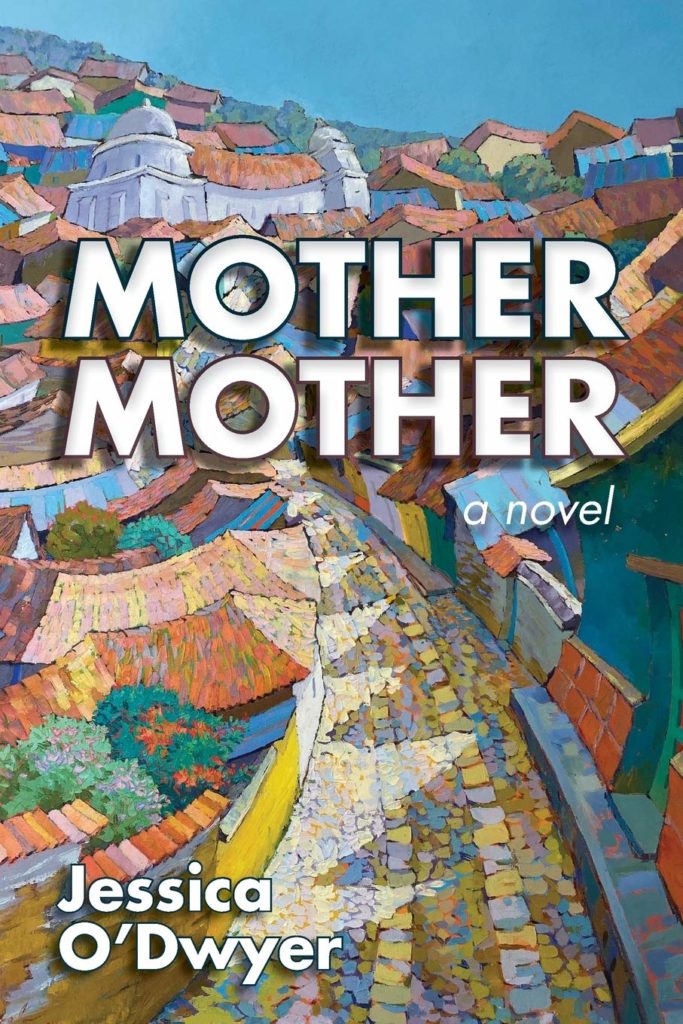
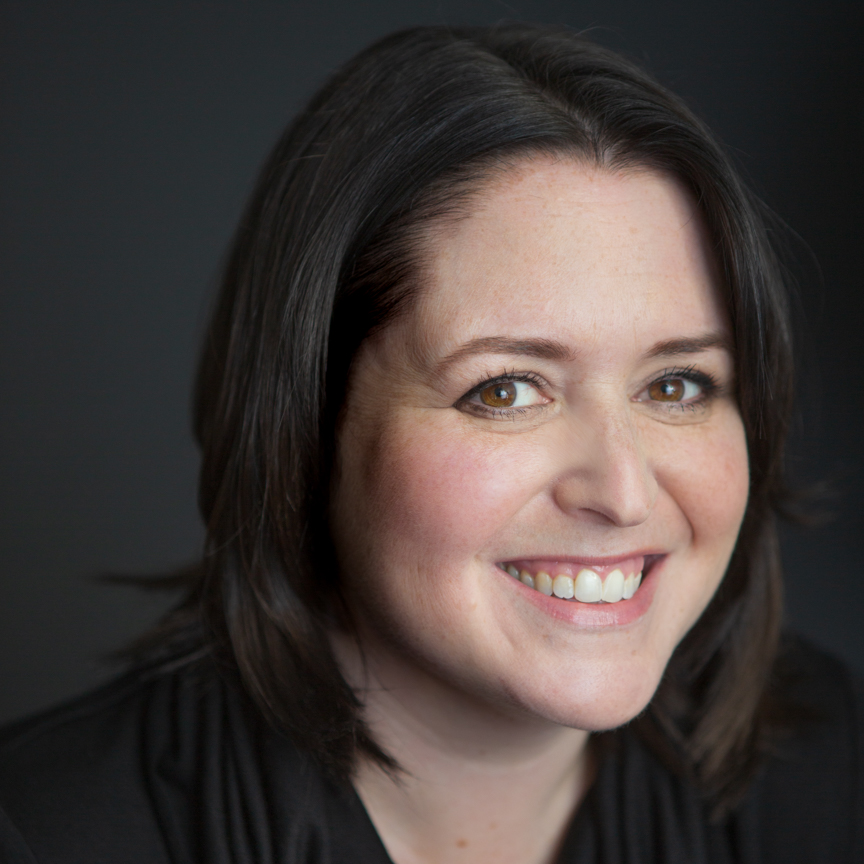
I met Jessica O’Dwyer when we were both MFA students at Antioch University in Los Angeles. I was immediately taken by her kind and giant heart—and her beautiful writing. I am not alone in my regard for Jessica and her work. Mother Mother: A Novel has received much deserved critical acclaim: it has been named the winner of the 2021 San Diego Book Association Awards in general fiction, a finalist of the 2021 National Indie Excellence Awards in general fiction, a Distinguished Favorite of the 2021 Independent Press Awards in women’s fiction and was awarded third place in the 2021 Feathered Quill Awards in literary fiction.
Mamalita: An Adoption Memoir, JessicaO’Dwyer’s powerful account of her family’s experience with international adoption, was named Winner of Best Memoir San Diego Book Publishing Awards in 2011 and one of the Top 5 Adoption Books by Adoptive Families Magazine in 2011.… ...continue reading
Riding the elevator up to the seventh floor, Carl can smell the craziness getting stronger. What is the smell, exactly? He thinks it must be what animals pick up from terrified prey, a secretion that reeks of vulnerability, an invitation to attack. Then he wonders: is it coming from the psych ward, or from me?
The seventh-floor lobby is as small as he remembers, with off-white walls and a wide reinforced door. Carl takes a breath, presses the button next to the door, and presents his face to the camera overhead. A moment later he hears a sharp buzz. Beyond the door is a windowless waiting area: hard plastic seats against a long wall, a small reception desk, another reinforced door that leads directly into the ward.… ...continue reading
Rather, synapses ignited, and her mind envisaged, with unimaginable clarity, the Bridge Operator, who in those final moments had pleaded with her to come down. And his voice, like a dwindling campfire, stayed with her as she saw his life unfold.
How he returned to a threadbare apartment on 2nd and Highland. How he washed pain pills down with beer, sitting in front of an old desktop, typing the name Claire Fanning into the search engine. A doctor, an accountant, a poet laureate, a wife, a mother, names upon names, the smiling faces of young women with fathers somewhere. All Claires. But not his.
How days later, at a corner bar, he threw back a bottom-shelf bourbon and recounted the story of the young girl on the railing to the others huddled around him. … ...continue reading
Jenn Bouchard’s debut novel, First Course, was published by TouchPoint Press in 2021. It has been the recipient of nine awards and distinctions, most notably as a finalist in the American Fiction Awards and the Independent Author Network Awards. Her short stories have been published in Litbreak Magazine, the Penmen Review, and the Little Patuxent Review, with an additional story forthcoming in MARY. She has presented at the Fall for the Book Festival, the AWP conference, and the Annapolis Book Festival. She is a high school social studies teacher of twenty-two years and lives with her family in the Boston suburbs. She is seeking representation for her second novel, Palms on the Cape.