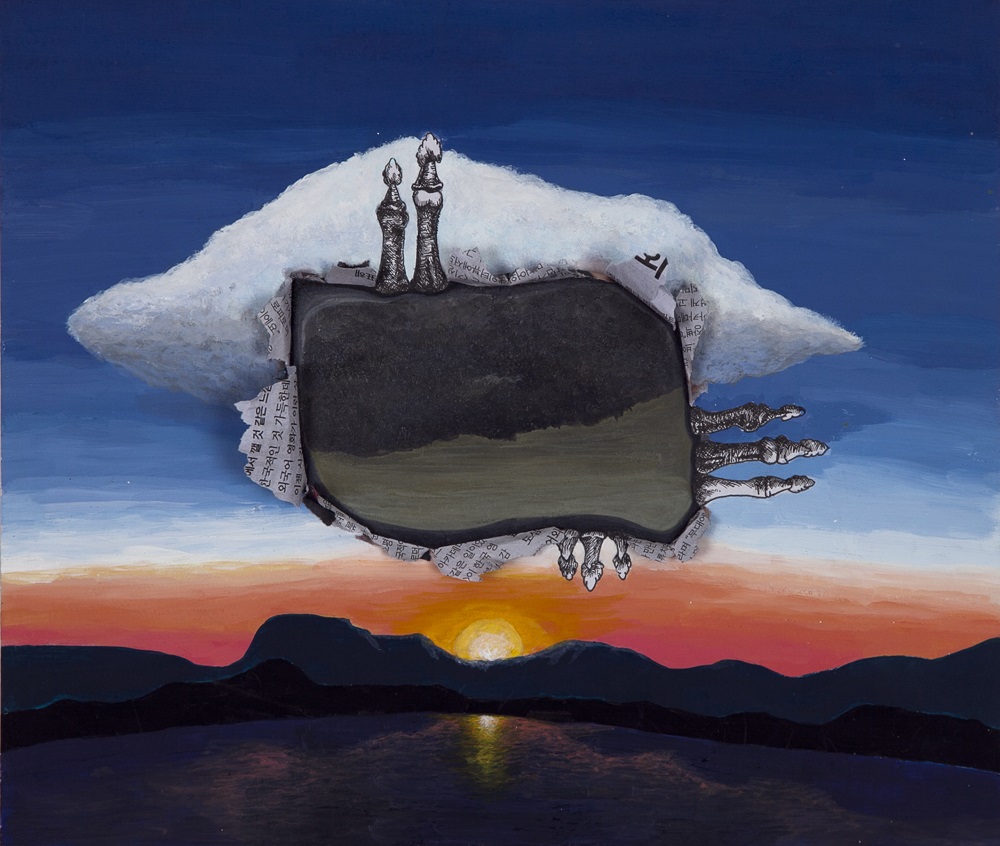
Author’s Note: In 2018, I went to Berlin for the first time. I was struck by the government buildings built since World War II. They are beautiful, with whimsical shapes and clear walls that seem to literalize the humanity, transparency, and reflection that should characterize democratic government.… ...continue reading
The furnace is a mindfulness bell and I am an unworthy but earnest monk. That quiet click on January’s coldest night returns me to the core, returns me to gratitude for warm air about my body, warm tile beneath my bare feet. The simple knowledge of food in the cupboard, fire in the furnace, the rent paid through the month of July.
If few people love me, that is okay, and if they seldom show their affection, fine. I have the click of the thermostat and the rush of heat through the vents to bring me back to the circle of breathing, thinking, remembering, This art of always returning.
J.D. Onely lost his left leg in 1956. He remembered where and when, but not how. It was in the violent, sadistic heat of a Georgia summer day, and he was riding his daddy’s tractor down the main road. J.D. was a tad drunk, not much, really. His daddy kept the real liquor hidden, and J.D. could only find his mother’s bottle of rum, hidden behind the cleaning things, under the kitchen sink. He took a swig, then a second, and then a gullet-full of third, and then he hopped on the tractor to head to the fields. The burn in his gut and the sun on his head made him feel like a fever.
J.D. never knew what hit him or what he hit, and he woke up in the hospital, bandaged to the eyeballs, with one leg in traction and the other one growing greener and greener.… ...continue reading
I held one once. Weighed nothing, my uncle says of hummingbirds whose hollow bones float & splinter like dead wood —Nana, her top-hand skin fresh like powdered butterfly wings, always paused for hummingbirds. She’d stand at the kitchen sink underskin wrist-thin like toilet paper or tissue wrap, watch blurry-winged birds wind-dancers, thrumming for something sweet. Unfeathered but bird-boned, she too prized delicacy, longed to kiss water; like light to touch without touching move with no regard for gravity.
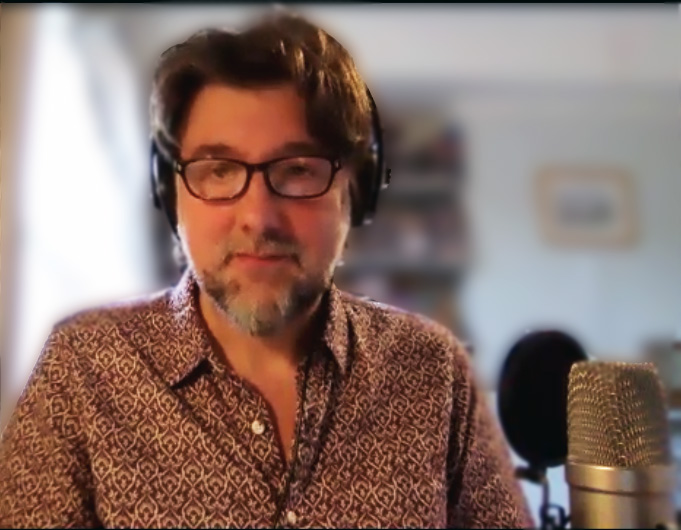
Chris Gregory founded the Alternative Stories and Fake Realities podcast in 2019, with the aim of creating high-quality spoken word podcasts featuring audio drama, poetry, and fiction. Fiercely independent and committed to promoting writers and poets whether published or not, Alternative Stories uses a team of professional actors to bring stories to life. Chris is involved in directing sound design and writing these productions. As a musician and composer, he has produced the soundtracks for many of the podcast’s dramas. Alternative Stories has provided content to BBC Radio and to North American broadcasters and been selected to represent the UK at the International Radio Drama Festival for the last two years.
In this episode of Cover to Cover with . . ., Editor-in-Chief Jordan Blum talks to Chris about the in and outs of the Alternative Stories podcast, including how it was affected by COVID-19, how actors and musicians are chosen, and much more!… ...continue reading
All the same Filipina prostitutes from my youth showed up to Ma’s funeral. They arrived in business-casual black, arm in arm with men – haircuts high and tight – who looked very familiar. Some ladies cradled bouquets like babies. Some wiped their eyes with floral handkerchiefs, while others wiped their brown cheeks with their tiny palms. They all now had crow’s feet and grey hair and a few extra pounds that gave sign of them achieving their American dreams.
Tiya Wowwie was the only one to speak to me: “We gonna miss Ina Lucy. She mean so much.” I still thought of Wowwie as auntie because she was the one who often played trucks with me, read books to me, and fell asleep – also tucked into my Transformers sheets – beside me many nights instead of mingling with the drunk Air Force men my white father had invited to the parties.… ...continue reading